Bromley Council Garden Waste Rules for Goddington Properties: A Practical Local Guide
If you live in Goddington and you're trying to make sense of Bromley Council garden waste rules for Goddington properties, you're not alone. Garden waste sounds simple right up until you have a few brimming bags, a heap of hedge trimmings, and the nagging question of what actually counts as green waste, what needs separating, and who is supposed to take it away. To be fair, this is one of those local topics that looks straightforward until you're standing there on a damp Saturday morning, staring at a pile of cuttings and wondering what the council will accept.
This guide breaks it down clearly for Goddington homeowners, landlords, tenants, and anyone managing a garden in the area. You'll find how garden waste collection typically works, what to check before putting anything out, common mistakes to avoid, and when it makes more sense to use a professional service such as garden clearance or regular garden maintenance. The aim is simple: help you stay compliant, save time, and keep your outdoor space tidy without the faff.
- Why the rules matter
- How garden waste collection works
- Key benefits and practical advantages
- Who this is for
- Step-by-step guidance
- Expert tips
- Common mistakes
- Tools and resources
- Law, compliance and best practice
- Options and comparison table
- Real-world example
- Practical checklist
- Conclusion
- Frequently asked questions
Why Bromley Council Garden Waste Rules for Goddington Properties Matters
Garden waste rules matter because the wrong disposal method can create avoidable costs, extra work, and occasional collection headaches. In a place like Goddington, where many properties have established gardens, side access, hedges, lawn areas, and seasonal growth that seems to appear overnight, the volume can build quickly. One week it's a few grass clippings; the next it's a mountain of prunings that smells faintly earthy and takes over the driveway.
The point is not just neatness. Correctly handling garden waste supports recycling, keeps shared roads and pavements clear, and helps reduce contamination in green waste streams. If you're using a contractor, it also affects how jobs are planned. A routine visit for lawn mowing is very different from a one-off post-winter clearance, and the waste handling needs are different too.
There's also a practical financial angle. Misunderstanding the rules can mean extra trips, missed collections, or needing emergency disposal at the last minute. Nobody wants that. Especially not on a Sunday evening when the bins are already full and the weather has turned grey again.
Expert summary: The safest approach is to treat garden waste as a separate, carefully managed stream. Keep it clean, keep it sorted, and check the local collection expectations before you fill bags or book a clearance job.
How Bromley Council Garden Waste Rules for Goddington Properties Works
The exact service details can change, so residents should always confirm the latest council instructions before setting anything out. That said, the basic structure of garden waste handling in Bromley is usually familiar to many London households: green waste is kept separate from general rubbish, stored in an approved way, and collected on designated days or taken to an appropriate disposal route.
For most properties, the key questions are:
- What counts as garden waste?
- How should it be presented for collection?
- What items are not allowed in the green waste stream?
- What should you do if you have more waste than a routine collection can handle?
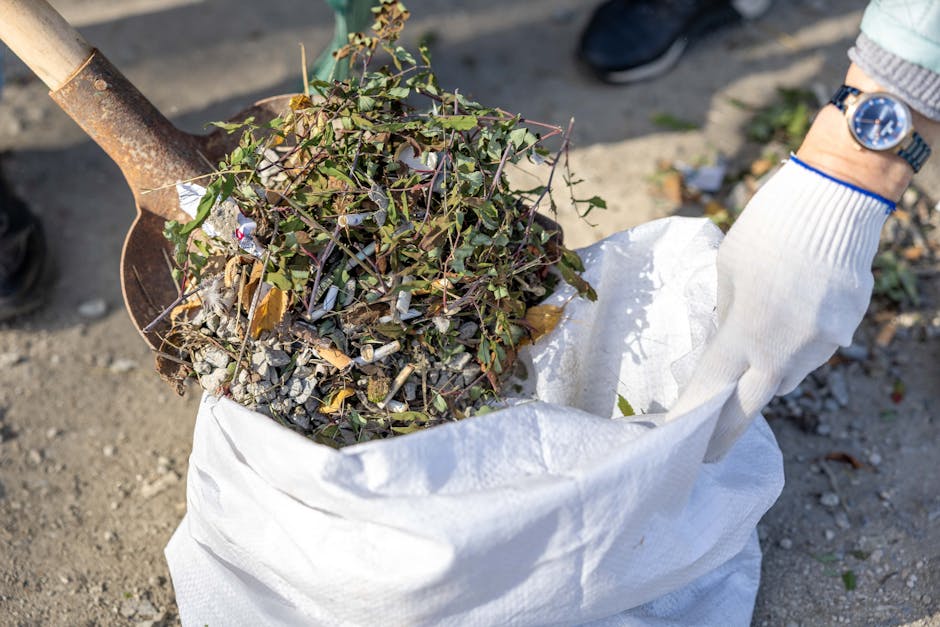
As a rule of thumb, garden waste means organic material from outdoor maintenance: grass cuttings, leaves, small prunings, hedge trimmings, and plant matter. Mixed loads are where people get into trouble. Soil clinging to roots, heavy branches, plastic plant pots, old ties, stones, and general rubbish all complicate things. A lot, actually. More than many people expect.
If you are managing a bigger project, such as a full tidy-up before a property sale or after a long neglected season, a service like gardening services can help separate reusable material from waste and decide whether collection, composting, or removal is the better route.
Key Benefits and Practical Advantages
Following the local garden waste rules properly gives you more than just compliance. It saves time and reduces friction in everyday garden care.
- Cleaner collections: Sorting waste properly makes collection smoother and less likely to be rejected.
- Lower risk of contamination: Keeping non-organic items out of green waste protects recycling processes.
- Less mess around the property: Properly bagged or contained waste keeps paths, drives, and shared access tidy.
- Better planning: Once you know what's accepted, you can schedule work more efficiently.
- Less stress after heavy garden work: You're not left wondering what to do with a large pile of cuttings at the end of the day.
There's a quieter benefit too: your garden often looks better for longer. When waste is removed promptly, you don't get that half-finished look where fresh pruning sits in a heap and the whole space feels a bit tired. If you're also improving borders, paths, or fences, it helps to keep momentum. Small win, but it matters.
For properties with regular upkeep needs, linking waste management with hedge trimming or lawn care can be a sensible way to stay on top of the seasonal churn.
Who This Is For and When It Makes Sense
This guidance is useful for a wide mix of Goddington residents and property managers. If any of the scenarios below sound familiar, you'll probably benefit from getting the rules straight in your head before the next tidy-up.
- Homeowners managing regular lawn, hedge, or border maintenance
- Landlords preparing gardens between tenancies
- Tenants responsible for maintaining a private garden area
- Older residents who prefer a reliable, low-fuss removal plan
- Busy families who need periodic clearances after the garden gets away from them
- People selling a home and wanting the outside space to look sharp quickly
It also makes sense if your garden produces more waste than one standard household can comfortably manage. That happens more often than people think, especially after storms, late autumn leaf drop, or a large pruning session in spring. One of those jobs where you think "this will only take an hour," and then the pile keeps growing. You know the feeling.
If the task is more than a simple bag-and-bin job, a dedicated garden clearance can be a more realistic option than trying to fit everything into routine council collection habits.
Step-by-Step Guidance
Here's a practical way to handle garden waste in Goddington without making life harder than it needs to be.
- Identify the waste type. Separate organic garden material from anything non-organic straight away.
- Remove contamination. Pull out plastic ties, pots, wire, stones, and general rubbish before bagging or stacking.
- Check the council's current collection rules. Confirm collection days, container requirements, and any restrictions on size or presentation.
- Sort by size. Keep lighter green waste apart from heavy branches or root material.
- Use appropriate containers or bundling. The cleaner and more orderly the waste, the easier collection tends to be.
- Store it safely. Don't block paths, exits, or driveways while waiting for disposal.
- Arrange extra removal if needed. If the amount is too large, book a specialist clearance rather than forcing everything into a routine system.
A useful real-world trick: if you're doing the job over two or three hours, keep a separate pile for "unsure" items. It sounds overly cautious, but it saves mistakes. By the end of a long pruning session, people start tossing in anything green and leafy. That's usually when contamination creeps in.
If the work involves reshaping beds, turf edges, or borders as part of a larger tidy-up, combining the process with regular garden maintenance can prevent waste from building up again so quickly.
Expert Tips for Better Results
Over time, the easiest garden waste jobs are the ones that are planned a little better from the start. Nothing dramatic. Just sensible habits.
- Cut in stages: If a hedge is overgrown, tackle it in sections so the waste is easier to sort and store.
- Work dry where possible: Wet grass and soggy leaves are heavier, messier, and more awkward to handle.
- Keep a small compost area: Where suitable, some organic waste can be reused on site rather than removed.
- Use the right tools: Sharp shears and clean blades reduce ragged cuttings and make the whole job easier.
- Match the waste method to the project: A few lawn clippings need a different approach from a full hedge reduction.
Professional teams often plan waste removal around the job itself, not as an afterthought. That's a big difference. For example, if a garden has a lot of mature growth and a few awkward access points, a team may need to stage cut material carefully so it doesn't pile up beside fences or soak into a patio. If you've ever stood on a mossy slab and heard the crunch of wet twigs underfoot, you'll know why this matters.
It's also worth thinking about the wider garden while you're at it. If loose waste is collecting because borders are hard to access or the layout keeps funneling debris into awkward corners, some light landscape gardening can make future maintenance much simpler.
Common Mistakes to Avoid
Most garden waste issues come from a handful of recurring mistakes. The good news is they're easy to avoid once you know what to look for.
- Mixing garden waste with household rubbish. This is the most common problem and often causes rejection or extra handling.
- Including soil, rubble, or stones. These are usually treated differently from green waste.
- Overfilling bags or containers. Heavy, awkward loads are more likely to split, spill, or be left behind.
- Leaving waste in the wrong place. Access matters. So does not blocking shared pathways.
- Assuming all branches are acceptable. Larger woody material may need a different disposal approach.
- Forgetting about timing. Freshly cut material can become messy very quickly if left out for too long.
There's another sneaky one: failing to think about the after-job clean-up. People often focus on the pruning or mowing itself and then realise the drive, side return, or paving is covered in leaf debris. If that sounds familiar, a little support from patio cleaning after the main work can make the whole place feel finished rather than half-done.
Tools, Resources and Recommendations
You do not need fancy equipment to manage garden waste properly, but the right basic tools make the job easier and cleaner.
| Item | Best use | Why it helps |
|---|---|---|
| Heavy-duty garden bags | Leaves, grass, mixed light clippings | Helps keep waste contained and easier to move |
| Rake and leaf grabber | Loose leaves and light debris | Speeds up collection without over-straining your back |
| Secateurs or loppers | Cutting smaller branches and stems | Makes waste easier to bundle and stack neatly |
| Tarp or sheet | Collecting waste from beds or lawns | Reduces mess and speeds up loading |
| Wheelbarrow | Moving heavier loads to a storage point | Prevents repeated lifting, which is always the bit that gets you |
For residents who want a lower-effort route, a professional gardening team can bring the tools, sort the waste, and remove it in one go. That's especially helpful after a big seasonal tidy-up or when the job involves more than simple mowing. If you're comparing service levels, look at pricing and quotes carefully so you know what is included and what is not.
It's also sensible to review the provider's approach to recycling and sustainability if you want waste handled responsibly and, where possible, diverted from unnecessary disposal.
Law, Compliance, Standards, or Best Practice
For garden waste, the main compliance issue is straightforward: waste should be managed in line with local collection rules and standard UK waste principles. In plain English, that means keeping waste streams separate, avoiding contamination, and disposing of material through an appropriate route.
Garden waste from domestic properties is usually considered a recyclable organic stream when it is clean and uncontaminated. Once you add plastic, rubble, treated timber, or general household waste, it stops being simple. That can create extra handling and may prevent the load from being accepted in the way you expected.
Best practice is to:
- keep green waste separate from non-green waste
- check the council's current presentation rules
- avoid leaving waste where it could block access or become a nuisance
- use a registered and insured contractor for larger clearances
- make sure any hired service explains where the waste goes and how it is handled
That last point matters more than people think. If a contractor is doing work at your property, you want confidence that the waste is being handled properly and that the job is covered by sensible safeguards. You can review our approach to insurance and safety and our health and safety policy if you want a clearer picture of how professional jobs are managed.
Truth be told, compliance is usually not the hard part. The hard part is consistency. Once you've got a working routine, the rest gets much easier.
Options, Methods, or Comparison Table
Different properties need different approaches. A small front garden with a couple of shrubs does not need the same solution as a mature rear garden with hedges, beds, and a lawn that gets cut every week in summer. Here's a simple comparison to help you decide.
| Method | Best for | Pros | Considerations |
|---|---|---|---|
| Routine council collection | Smaller, regular amounts of clean garden waste | Convenient and familiar | May not suit bulky clearances or mixed waste |
| Home composting | Leaves, grass, soft prunings, suitable organics | Low waste, useful for the garden | Needs space and a bit of patience |
| One-off garden clearance | Large cuts, seasonal overgrowth, renovation jobs | Fast and thorough | Best when there's a lot to remove at once |
| Regular maintenance service | Gardens that generate waste every week or fortnight | Keeps everything under control | Works best when scheduled consistently |
In practical terms, many Goddington properties do well with a mix: routine care for light ongoing waste, plus periodic clearance when the season kicks off or the hedge has gone a bit wild. And yes, hedges do have a knack for looking innocent right up until they've doubled in size.
If you need a more tailored approach, services such as hedge trimming, lawn mowing, and tree surgery can all create different waste profiles, so it helps to plan the removal method alongside the work itself.
Case Study or Real-World Example
Imagine a typical Goddington semi-detached property after a wet spring. The lawn has grown quickly, the privet hedge is pushing out uneven shoots, and the border at the back has become a tangle of old stems and fresh growth. The owner starts with the lawn, then moves on to hedge work, then realises the waste is now too much for a couple of ordinary bins.
In that situation, the sensible approach is simple. First, separate grass from woody trimmings. Second, remove any plastic ties, broken pots, and the odd bit of packaging that somehow always ends up in the shrub bed. Third, decide whether the material can be handled through routine collection or whether a one-off clearance is the better option.
In our experience, the biggest time-saver is not the cutting itself. It's preparing for waste removal before the first snip. That tiny bit of planning stops the back-and-forth, the second pile in the corner, and the "where on earth does this go?" moment that everyone has at least once.
If the garden also has tired paving and a few slippery patches, a finishing touch like patio cleaning can make the whole exterior feel refreshed rather than simply tidied.
Practical Checklist
Use this before you put any garden waste out or book a clearance.
- Have I separated green waste from general rubbish?
- Have I removed plastic, wire, pots, stones, and other contamination?
- Do I know the current local collection expectations?
- Is the waste stored safely and not blocking access?
- Is the load light enough and tidy enough for collection or removal?
- Do I need a one-off clearance rather than routine collection?
- Have I thought about composting any suitable material?
- If I'm hiring help, have I checked insurance, safety, and waste handling?
- Would a regular maintenance plan reduce future build-up?
- Do I want the rest of the garden refreshed at the same time?
If you're planning bigger changes too, it can be smart to address adjacent tasks at the same time. For example, a tired boundary may need fencing, or a neglected corner may benefit from light landscaping. That way, you're not revisiting the same problem in six weeks.
Get a free quote today and see how much you can save.
Conclusion
For Goddington properties, garden waste management is really about being organised, not overcomplicated. Once you understand the Bromley Council garden waste rules, the rest becomes much easier: sort the material, keep it clean, choose the right disposal route, and avoid the small mistakes that cause bigger headaches later.
If your garden is small and the waste is modest, a routine collection or a simple composting habit may be enough. If the space is larger, or the work has piled up, a professional service can save a lot of time and keep things tidy from start to finish. Either way, the goal is the same: a garden that feels manageable, calm, and properly looked after.
And honestly, that feeling when the waste is gone, the borders are neat, and you can hear the wind instead of the rattle of old clippings in a bag? That's a good one.
Frequently Asked Questions
What counts as garden waste for Bromley Council rules?
In general, garden waste includes grass cuttings, leaves, small branches, hedge trimmings, weeds, and other organic material from garden maintenance. Items like plastic, soil contamination, rubble, and household rubbish usually need separate handling.
Can I put hedge trimmings in the same bag as grass cuttings?
Usually yes, provided the waste is clean and follows the council's current presentation guidance. The important thing is that the bag is not mixed with non-organic material and is not overfilled or too heavy to handle safely.
What should I do with large branches or woody prunings?
Larger woody material may need different treatment from softer green waste. If you have a substantial amount, it is often easier to arrange a garden clearance or a specialist removal service rather than forcing it into ordinary collection habits.
Do I need to remove soil from roots before disposal?
Yes, where possible. Heavy soil and root balls can complicate collection and may not be accepted as simple garden waste. Brushing off excess soil helps keep the load cleaner and more manageable.
How often should I clear garden waste at a Goddington property?
That depends on the size of the garden and how quickly it grows. Some properties only need occasional seasonal clear-ups, while others benefit from regular weekly or fortnightly maintenance to stop waste from building up.
Is composting a good alternative to council collection?
Often, yes. Composting can be a practical option for suitable organic waste such as leaves, grass, and soft cuttings. It is not a solution for everything, though, so bigger woody material and contaminated waste may still need another route.
What if my garden waste is mixed with household rubbish?
Mixed waste is much harder to handle and may not be suitable for a standard garden waste collection. The best move is to separate it before disposal. It takes a little longer, but it prevents much bigger issues later.
Can a gardening company remove the waste for me?
Yes, many professional teams offer waste removal as part of their service. If you're comparing providers, check that the scope includes loading, transport, and responsible disposal. It sounds obvious, but it is worth confirming.
How do I know whether I need garden clearance or maintenance?
If the garden just needs ongoing care, maintenance is usually the better fit. If there is a large one-off build-up of waste, overgrowth, or a major tidy-up after months of neglect, clearance is usually more appropriate.
Will council rules affect how I schedule hedge trimming or lawn care?
They can. If you know you will create a lot of waste, it makes sense to plan the trimming or mowing alongside your disposal method. That way you are not left with a pile of debris and nowhere sensible to put it.
What's the safest way to manage waste if I have limited access?
Use smaller loads, keep paths clear, and avoid stacking waste where it blocks doors or shared access. If access is awkward, a professional service can often manage the job more efficiently because they bring the right tools and plan the move-out properly.
Can landscaping changes help with garden waste issues?
Yes. Better layout, easier access, and simpler planting schemes can reduce the amount of awkward waste and make maintenance easier. Sometimes a small design change saves a lot of future effort. Funny how that works.
Where should I start if I want help with a bigger garden job?
Start by identifying the volume of waste, the type of material, and whether you need ongoing care or a one-off clearance. From there, it is much easier to decide whether mowing, hedge trimming, tree work, or full clearance is the right next step.
What if I want a reliable local team to handle everything end to end?
Look for a provider that can combine practical garden work with safe, organised waste handling and clear pricing. If you want to talk through your options, the best first step is usually to reach out through the website's contact route and ask for a tailored quote.
For more about the company behind this guidance, you can also review the about us page, and if you are comparing terms or want clarity on how work is managed, the terms and conditions are worth a look too.