Goddington emergency gardeners for storm damage: fast, safe help when the weather leaves a mess
Storms have a way of turning a calm garden into a small crisis. One minute the fence is standing, the next there's a branch across the lawn, a tipped planter blocking the path, and a hedge bent at a worrying angle. If you're looking for Goddington emergency gardeners for storm damage, you probably need more than routine maintenance. You need quick judgement, safe hands, and a clear plan.
This guide walks through what emergency garden help actually involves, why it matters, what happens when a team arrives, and how to decide what needs urgent attention first. We'll keep it practical and plain-English. No fluff. Just the stuff that helps you get the garden safe again, and avoid making a bad situation worse.
Why Goddington emergency gardeners for storm damage matters
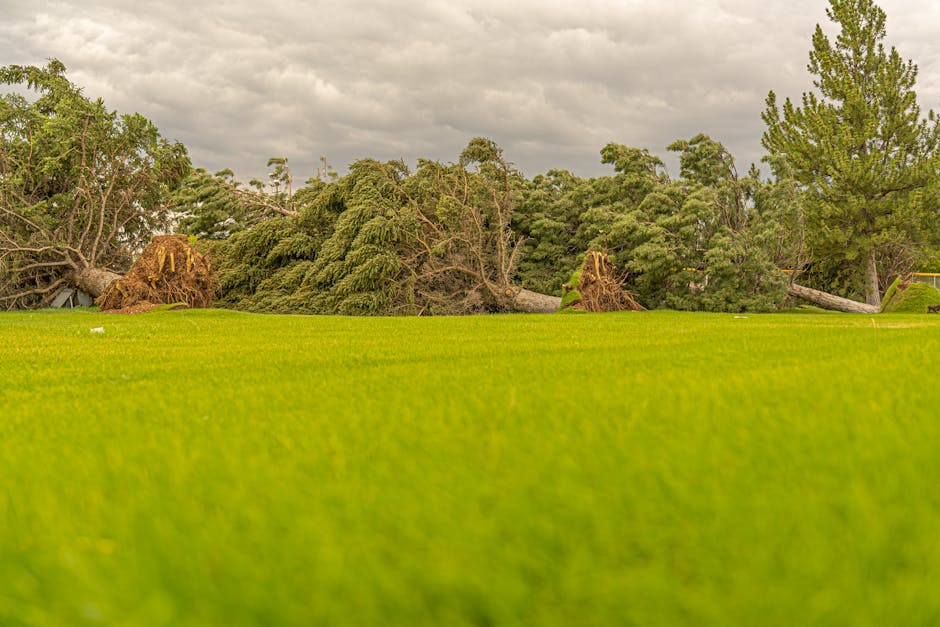
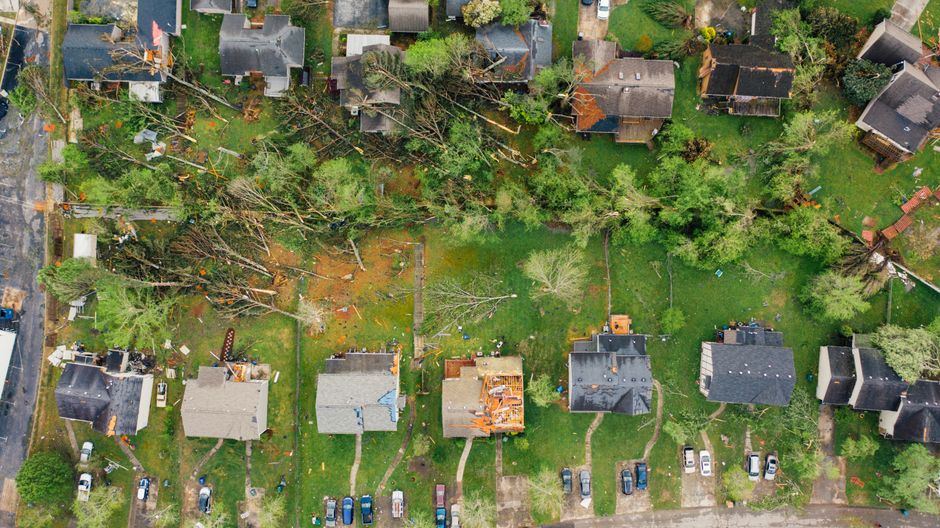
Storm damage in a garden is rarely just cosmetic. A broken fence panel can become a falling hazard. A snapped tree limb may still be hanging, which is one of those situations that looks simple from a distance but gets tricky fast when you're standing underneath it. Waterlogged borders can hide unstable paving. And a damaged shed or deck can create a very awkward access issue, especially if children, pets, or older relatives use the space every day.
That is why emergency garden support matters. It is not only about making the place look tidy again. It is about reducing risk, restoring access, and stopping a small problem from becoming a costly one. In our experience, the first 24 hours after a storm are often the most important. The garden can be wet, cluttered, and unpredictable, so the right response is usually careful assessment before any heavy work begins.
If you want a wider view of strengthening your outdoor space for bad weather, it can be useful to read building resilience in your garden against weather. That kind of planning can save a lot of stress later. And to be fair, storms do not ask whether your weekend is free.
Emergency gardeners in Goddington also matter because local conditions often shape the damage. Tight boundaries, shared fences, mature hedges, sloped gardens, and compact access routes all make clean-up more complicated. A local team tends to understand those constraints quickly, which means less guesswork and fewer delays.
How Goddington emergency gardeners for storm damage works
The process usually starts with a fast assessment. You describe what happened, what is unsafe, and what needs attention first. If the weather has only just cleared, the best professionals will ask a few practical questions rather than rushing in blind: Are any branches hanging loose? Is there damaged fencing or a blocked gate? Has water collected around paving, decking, or access points?
From there, the job is normally triaged. That means the most urgent risks are handled first. A loose limb, for example, may need securing or removal before anyone clears smaller debris. A leaning panel might be stabilised or taken down safely. After that, the team can move into clearance, pruning, tidy-up, and any follow-on repairs or recommendations.
This is where emergency work differs from routine maintenance. Normal garden care is planned. Storm recovery is reactive. It often involves limited time, awkward conditions, and decisions made on the spot. That can include cutting back broken growth, removing unsafe materials, clearing leaves and soil washout, and checking whether neighbouring features have been affected too.
For gardeners who want to understand the wider support available after the urgent part is done, gardening services and garden maintenance are sensible next steps. Emergency care solves the immediate problem; maintenance helps prevent a repeat performance. Nobody wants storm season to feel like an annual subscription to stress.
Key benefits and practical advantages
The biggest benefit is safety. Fallen branches, split trunks, broken glass, unstable fencing, and damaged structures all create hazard points. A professional emergency gardener can reduce those risks far more efficiently than a rushed DIY attempt with a hedge trimmer and good intentions.
Another major benefit is speed. After storm damage, time matters. Wet plant material can begin to collapse further, saturated soil can shift, and damaged timber can deteriorate quickly. A prompt response can preserve more of the garden's structure, which may save money in the long run. That's especially relevant where established planting, hedging, or climbing plants have taken years to grow.
There is also the practical advantage of knowing what can be saved. A storm can make everything look worse than it is. A bent shrub may recover. A damaged hedge may only need selective cutting. A deck or patio surface might need cleaning and inspection rather than replacement. If you want to explore related outdoor surface care after weather exposure, patio cleaning and decking services can be relevant once the site is safe.
Finally, there's peace of mind. That may sound soft, but it's real. When the wind has been howling all night and you wake up to a garden full of debris, a calm, methodical response helps. It turns a messy event into a manageable job.
Who this is for and when it makes sense
Emergency garden help is for anyone dealing with sudden damage, but some situations call for it more than others.
- Homeowners with fallen branches, damaged fences, or blocked paths.
- Landlords and property managers who need outdoor areas made safe quickly for tenants or inspections.
- Families where play areas, lawns, or access routes have become unsafe.
- Older residents who need clear, trip-free access and do not want to handle heavy clean-up themselves.
- Busy households that simply cannot spend half a weekend shifting broken material and wrestling with wet debris.
It makes sense whenever the damage is beyond a quick tidy and safety is part of the equation. If there is any sign of structural instability, sharp debris, or a tree that has started to lean after a gusty night, don't shrug it off. Storm-related jobs have a habit of getting more expensive when they're left alone.
It also makes sense when you need the garden returned to a usable state before visitors, children, pets, or contractors arrive. If your outdoor space is part of daily life, even a half-cleared mess can be disruptive. In those cases, the practical value of emergency support is hard to overstate.
Step-by-step guidance
Here is a straightforward way to handle storm damage without panicking or making avoidable mistakes.
- Stay out of immediate danger zones. Do not stand under hanging branches or near loose fencing that may give way.
- Check the garden from a safe distance. Look for blocked access, fallen tools, broken glass, and obvious hazards.
- Photograph the damage. This is useful for your own records, and sometimes for insurance discussions.
- Separate urgent from non-urgent issues. A leaning tree is urgent. A messy border is not. A cracked slab is somewhere in the middle, depending on location.
- Contact a local emergency gardener. Explain what happened clearly and mention anything that seems unsafe.
- Allow for a proper assessment. The right team will look before lifting. That's a good sign, not a delay.
- Clear only what is safe to clear. Light debris may be fine to move, but avoid anything heavy, sharp, or suspended.
- Follow up with repairs or preventive work. Once the garden is safe, think about future resilience.
A practical example: if a storm has flattened part of a hedge and splintered a gate post, the immediate job is not "make everything pretty." It is "make the entrance safe, remove unstable material, and protect the remaining structure." That's the right order. Every time.
Expert tips for better results
One of the most useful habits after a storm is to avoid overcutting. People often assume damaged plants should be hacked back dramatically, but that can remove living tissue that might still recover. A careful assessment of what is broken versus what is merely bent can make a big difference.
Another good practice is to think in layers. Start with access, then hazards, then clean-up, then recovery. That might sound almost too simple, but it stops the job from turning chaotic. You would be surprised how often people begin with the visible mess and leave the dangerous bits for later. Not ideal.
If the storm has affected hedging or privacy planting, it may help to plan future replacements early. Some gardens benefit from stronger, wind-tolerant species or a more sheltered layout. For ideas on resilient planting and structure, the article on mitigating wind risk and essential garden protection tips is a useful companion piece. For longer-term screening, fast-growing hedges for natural privacy can also help you re-think exposed boundaries.
Use this period to notice weak points. Was the fence already tired before the storm? Were the trees overextended? Did water pool in the same corner as last winter? Small patterns matter. Storm damage often exposes them, which is annoying in the moment but genuinely helpful in the long run.
And one more thing: keep a little humility about what can be DIY'd. A sturdy broom and some gloves are great. A half-loose branch over a greenhouse roof? Not a fun Saturday project.
Common mistakes to avoid
The first mistake is moving too fast. People want the garden back to normal immediately, so they pull at branches, tip debris into piles, and climb onto slippery surfaces. That is exactly how minor storm damage turns into personal injury or extra repairs.
The second mistake is assuming all damage is visible. A fence panel can look "mostly fine" while the posts underneath have shifted. A tree can look upright while the root plate has loosened. Wet ground hides a lot. Truth be told, gardens are very good at looking calm while quietly being a bit dodgy underneath.
A third mistake is using the wrong tools. Light pruning tools are not meant for storm-shattered timber. Garden shears are not a substitute for proper structural assessment. If you want a better sense of what equipment belongs in a serious toolkit, essential equipment for the devoted gardener's delight is a handy reference.
Another common issue is forgetting the wider garden ecosystem. For example, clearing storm debris without thinking about compacted soil, broken drainage, or damaged planting beds can leave the space looking neat but still unhealthy. That's where a broader recovery approach matters.
Lastly, don't ignore the aftermath because "it looks okay now." A garden can appear stable for a day or two and still need follow-up trimming, bracing, or disposal. Storm work is often a two-stage job, sometimes three.
Tools, resources and recommendations
A proper storm recovery job usually needs more than a pair of gloves. While every site is different, common equipment may include pruning tools, loppers, secateurs, saws, protective gear, tarps, wheelbarrows, and waste bags or collection containers. Safe access equipment matters too, especially where height or awkward angles are involved.
For the garden owner, useful resources are often surprisingly simple:
- A list of what was damaged and what was already weak before the storm.
- Photos taken before any clean-up begins.
- Notes about flooding, pooling, or slipping areas.
- A record of any planted areas that were flattened or uprooted.
- Contact details for urgent help and follow-on maintenance.
If you expect repeated exposure to wind, it can help to think about reworking the landscape as well as repairing it. Smaller changes, such as reducing sail-like planting in exposed spots, strengthening boundary structures, or improving drainage, can make a garden more forgiving next time.
For a broader service picture after the immediate emergency is handled, many readers also look at tree surgery, fencing, landscaping, and garden maintenance. Those are the kinds of follow-on services that turn a recovery job into a more durable result.
Law, compliance and best practice
When storm damage involves broken structures, unstable trees, or heavy debris, safety and duty of care matter more than speed. In the UK, property owners and contractors generally need to act reasonably to reduce foreseeable risk. That does not mean every garden problem requires formal procedures. It does mean unsafe conditions should not be left for people to trip over, cut themselves on, or stand beneath.
Best practice also means using sensible protective measures. Good footwear, gloves, eye protection where needed, and careful handling of sharp or heavy material are basic expectations. If a task looks beyond routine garden care, it should be treated that way. A professional team should be able to explain where the risks are and how they intend to manage them.
For service quality and customer clarity, it is helpful when a business also makes its policies easy to find. If you want to understand how a company handles public-facing responsibilities, you can review pages such as health and safety policy, insurance and safety, terms and conditions, and payment and security. Those are reassuring signposts because they show the business takes the practical side seriously, not just the gardening side.
If disputes ever arise over service expectations, there should also be a clear route for handling them. That is where a transparent complaints procedure becomes useful. Not glamorous, but useful. Very useful, actually.
Options and comparison
Not every storm-damaged garden needs the same level of response. Some issues can wait for routine maintenance. Others really should be handled quickly. This comparison should help.
| Situation | Best option | Why it fits |
|---|---|---|
| Light leaf scatter, small twigs, no hazards | Routine tidy-up or maintenance | Low risk, easy to manage, no urgent structure issues |
| Broken fence panel, blocked path, scattered debris | Emergency garden clearance | Access and safety are affected, so quick action matters |
| Hanging branch or leaning tree | Urgent assessment and specialist support | Potentially dangerous and not suitable for guesswork |
| Flattened hedge or border plants | Selective pruning and recovery planning | Some material may be salvageable, so don't overcut |
| Garden looks tired after repeated weather exposure | Longer-term resilience work | Prevention is smarter than repeating emergency fixes |
There is also a decision point between "clear only" and "clear plus rebuild." If your fence, lawn edge, or patio area has taken a real beating, a broader follow-up may be more cost-effective than fixing the same weak point twice. You can see how the different services fit together by looking at lawn care, lawn mowing, and patio cleaning once the urgent hazards are dealt with.
Case study or real-world example
Here's a realistic example, based on the kind of post-storm callouts people often need.
After a windy night, a homeowner finds that one hedge has split at the top, a small tree has shed several limbs, and part of the fence is leaning into a shared walkway. The path is still open, but only just. There's also a pile of wet debris across the lawn, which makes the ground slippery and awkward to cross.
The sensible first move is to make the area safe, not tidy. The emergency gardener begins with the fence line and any hanging growth near the walkway. Next comes the fallen material, which is moved carefully so the access route can be used again. The hedge is then assessed for salvageable sections, and the tree is checked for unstable branches before any pruning starts. Only after that does the clean-up become a cosmetic job.
The important lesson? The garden was not "fixed" by making it look neat. It was fixed by restoring order, stability, and access in the right sequence. That's a small distinction, but it matters a lot. It also helps explain why emergency gardeners are not just cleaners with secateurs. They're problem-solvers.
Later, the homeowner decides to replace one weak fence section and strengthen the exposed corner planting. That follow-up work is exactly how storm damage can become a useful prompt for a more resilient garden, rather than just a painful expense.
Practical checklist
Use this checklist if your garden has been hit by a storm.
- Check for immediate danger before entering the garden fully.
- Keep away from hanging branches, leaning posts, and unstable structures.
- Take photos of the damage from a safe position.
- Look for blocked paths, sharp debris, or slippery patches.
- Note any damaged fences, decking, gates, or shed edges.
- Identify plants that are snapped, uprooted, or badly bent.
- Separate what needs urgent action from what can wait.
- Contact a local emergency gardener if the situation is unsafe or large-scale.
- Ask about follow-on repair or maintenance options.
- Plan one or two resilience improvements after the clean-up.
Expert summary: After storm damage, the best outcome usually comes from calm triage, not rushed tidying. Make the garden safe first, save what can be saved, and only then think about the pretty bits.
If you need a broader idea of the team behind this kind of work, about us is a sensible place to understand the company's approach and values. For enquiries or urgent next steps, you can also use contact to reach out directly.
Get a free quote today and see how much you can save.
Conclusion
Storm damage is stressful, no doubt about it. But with the right response, it does not have to become a long-running headache. The key is to act safely, assess carefully, and bring in help when the job is bigger or riskier than it first appears.
Goddington emergency gardeners for storm damage are there to restore control when weather has knocked your outdoor space sideways. They can clear hazards, protect what remains, and point you toward smarter follow-up work so the next storm meets a stronger garden. That's the real win: not just recovery, but resilience.
And honestly, once the worst has been cleared and the garden feels still again, there's a quiet relief in the air. You can hear the place differently. Less clatter, less mess, more room to breathe.
Frequently Asked Questions
What do emergency gardeners do after storm damage?
They assess hazards, remove or secure unsafe material, clear debris, and help restore access and basic safety. If needed, they can also advise on follow-on repairs or longer-term garden recovery.
How quickly should I call for help after a storm?
If there is a hanging branch, leaning tree, broken fence, or blocked access, it is best to call as soon as it is safe to do so. If the damage is minor and not dangerous, it may be handled as a planned tidy-up.
Can I clear storm damage myself?
Only if the damage is small and safe to manage. Light debris is usually fine, but anything heavy, unstable, sharp, or suspended should be left alone until it can be assessed properly.
Is storm damage gardening work different from regular garden maintenance?
Yes. Regular maintenance is planned and routine. Storm recovery is reactive and safety-led, often involving urgent assessment, debris clearance, and damage control before any cosmetic work begins.
What should I photograph before the clean-up starts?
Take clear photos of any fallen branches, damaged fencing, leaning structures, blocked paths, and flattened planting. Keep them from a safe distance and do not climb or lean into risky areas just for a better angle.
Will all damaged plants need to be removed?
Not usually. Some plants recover well after being bent or partially broken. A careful cut-back is often better than a heavy-handed removal. A good gardener will judge what can be saved.
Do storm-damaged fences always need replacing?
No. Sometimes a panel is the only problem. Other times the posts or fixings are compromised and the repair needs to go deeper. It depends on how the impact happened and what the structure is doing underneath.
What happens if a tree looks unstable?
That should be treated as urgent. Trees can be deceptive after high winds, so if there is leaning, cracking, or hanging timber, it is wise to get a proper assessment rather than assuming it is fine.
Are emergency garden visits usually expensive?
Costs can vary depending on the scale of the damage, access, and whether specialist work is needed. The most sensible approach is to request a quote and clarify what is included before work begins.
What can I do to make my garden more storm-resistant?
Look at weak fencing, exposed planting, drainage, and overextended trees or hedges. Reducing wind catch, improving structure, and planning maintenance before bad weather arrives can make a real difference.
Can emergency gardeners help with decking or patios after a storm?
Yes, if those areas have become unsafe or cluttered. They may clear debris, identify slipping hazards, and suggest follow-up care such as decking services or patio cleaning once the area is safe.
What is the next sensible step if my garden has storm damage right now?
Stay clear of hazards, take a few photos, note the main risks, and get in touch for help if the damage is more than a simple tidy. A calm first response makes the rest much easier.