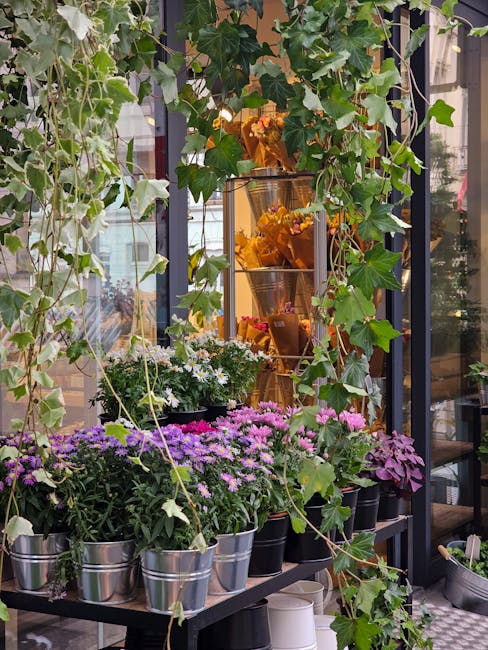
Orpington High Street gardeners Goddington shop front planting: a practical guide to better kerb appeal
If you run a shop, cafe, salon, or office near Orpington High Street, the planting outside your front door does more than "look nice". It frames the business before anyone has even stepped inside. Done well, Orpington High Street gardeners Goddington shop front planting can soften hard edges, guide footfall, support branding, and make a front elevation feel cared for rather than simply occupied. Done badly, it can look tired by midweek, block entrances, or become another job on an already full list. Let's face it, no one wants a display that starts strong on Monday and looks defeated by Friday afternoon.
This guide breaks down what shop front planting actually involves, how it works in practice, and how to choose a setup that suits a busy High Street setting. You will also find a step-by-step plan, common mistakes to avoid, and a realistic checklist for keeping planting attractive through the seasons. Along the way, there are links to useful pages such as general gardening support, soft landscaping options, and ongoing maintenance help where appropriate.
Why Orpington High Street gardeners Goddington shop front planting Matters
On a busy High Street, the outside of your business is part of the customer experience. People often notice your frontage first, then decide-sometimes in seconds-whether a place feels open, tidy, welcoming, or a little neglected. That reaction matters. Shop front planting gives you a way to shape that first impression without needing a full refurbishment.
There is also a quieter benefit. Good planting makes a building feel rooted in place. A plain facade can feel temporary, but planters, climbers, and small evergreen features make the frontage seem established and intentional. That sense of care builds trust. In commercial settings, trust is not abstract; it shows up in whether someone chooses to walk in, book, linger, or come back again.
For Goddington and the wider Orpington area, planting has another practical role. Frontages need to cope with pedestrians, bins, street dust, wind exposure, and changing light through the day. The best schemes do not just "survive". They are designed for a real roadside environment, which means tougher plant choices, better containers, and a maintenance plan that matches the pace of business. If you have ever seen a box of bedding plants looking brilliant at 9am and limping by 3pm, you already know the problem.
And there is the brand side. A well-planted frontage quietly signals professionalism, care, and attention to detail. That matters for shops selling premium goods, services that rely on reassurance, and hospitality businesses that want people to feel relaxed before they even open the door.
How Orpington High Street gardeners Goddington shop front planting Works
At its simplest, shop front planting works by matching the right plants and containers to the exact conditions outside your property. Sounds obvious, but that is where many schemes go wrong. The frontage is assessed for light, shelter, exposure, drainage, foot traffic, and access. Then the planting plan is built around those conditions rather than around whatever looked lovely in a catalogue.
The process usually starts with the shape of the frontage. Is there a narrow pavement edge, a recessed doorway, a broad window display, or a corner site that catches the wind? A compact cafe frontage may suit a pair of strong feature containers. A wider retail frontage might work better with layered planters that create rhythm without clutter. The aim is to guide the eye, not block it.
Then comes plant selection. For shop front work, the key question is not "What looks nice today?" but "What still looks good after repeated cold snaps, dry spells, and a few forgotten watering days?" In practice, that often means a blend of evergreens, structured grasses, seasonal colour, and one or two seasonal accents that can be changed out without rebuilding the whole display.
Maintenance is the real engine behind the scenes. Planting that depends on daily attention will be fragile in a commercial setting. Better to choose a design that is easy to water, prune, refresh, and tidy. This is where local gardeners often add value: they know how to balance visual impact with realistic upkeep, which is exactly what a High Street frontage needs.
Key Benefits and Practical Advantages
There is a reason businesses keep returning to planting, even when they could just leave the frontage bare and focus elsewhere. It works on several levels at once.
- Immediate kerb appeal: A neat, well-composed frontage makes the business look active and cared for.
- Better wayfinding: Planters can subtly guide people towards the entrance or reception point.
- Brand reinforcement: Plant choice, colour, and container style can support the business personality.
- Softened hard surfaces: Greenery breaks up brick, glass, concrete, and signage in a pleasing way.
- More welcoming atmosphere: People tend to feel more at ease when a frontage feels alive rather than purely functional.
- Seasonal flexibility: Displays can be refreshed through the year without a full redesign.
There is also a practical edge that is easy to overlook. Planting can hide less attractive parts of a frontage-low walls, utility boxes, empty corners, awkward pavement edges-without needing permanent structural changes. That is handy for businesses that want improvement without major disruption.
For hospitality venues in particular, planting can create a small psychological pause. A customer who approaches past greenery tends to slow down a little. Not always, of course, but often enough to matter. That tiny moment can make a place feel more inviting. It is a small thing, really, and yet it often changes how people experience the whole visit.
For business owners thinking about budget, planting can also be phased. Start with one entrance, one window bay, or one feature corner. Add more later. You do not need to do everything at once, and honestly that is usually the smarter route.
Who This Is For and When It Makes Sense
Shop front planting is not just for florists or cafes. It makes sense for a wider mix of businesses than people sometimes assume.
- Independent retailers who want to stand out from neighbouring units.
- Cafes, bakeries and restaurants that benefit from a warmer, calmer entrance.
- Salons and wellness businesses where atmosphere matters before the appointment begins.
- Offices and professional practices that need a tidy, credible frontage.
- Landlords and managing agents looking to improve a unit between tenancies.
- New businesses trying to make a strong first impression without a big fit-out.
It is also worth considering at specific moments in the business cycle. A planting refresh often makes sense before a seasonal trading period, after external decorating work, when signage has been updated, or when the frontage simply looks flat and forgettable. Sometimes the need is obvious. Other times it creeps up slowly until one day the pots just look... there. You know the feeling.
If your business has accessibility considerations, a good planting plan should be part of the solution, not an obstacle. Clear entrances, safe clearances, and unobstructed paths must come first. Good design helps with that rather than fighting it.
Step-by-Step Guidance
If you are planning shop front planting for the first time, it helps to think of it as a simple sequence rather than a huge project. Here is the practical version.
- Assess the site properly. Look at sunlight, wind, rain exposure, footfall, and where people naturally enter and exit.
- Decide the purpose. Do you want colour, privacy, structure, seasonal flair, or a more premium look? Pick the main job first.
- Choose the container style. Containers should suit the frontage, but they also need enough volume for roots and moisture.
- Select resilient plants. Prioritise plants that tolerate local conditions and can handle gaps between watering.
- Plan the layout. Keep entrances clear, create visual balance, and avoid crowding the shop window.
- Check maintenance needs. If the display needs constant deadheading or daily watering, it may not be right for a commercial frontage.
- Install and settle. Use quality compost, appropriate drainage, and stable positioning so planters do not wobble or mark paving.
- Set a care routine. Define who waters, trims, clears litter, and replaces tired plants.
A practical tip: before finalising any design, take a few photos at different times of day. Morning light can hide problems that afternoon sun will reveal, especially on reflective frontages. It is one of those tiny steps that saves a lot of regret later.
If the frontage needs more structural work first, it may be worth looking at professional landscaping support before introducing the planting itself. If the issue is maintenance rather than redesign, ongoing garden upkeep can help keep things tidy once the initial setup is in place.
Expert Tips for Better Results
Good shop front planting usually comes down to a few thoughtful choices rather than a dramatic flourish. These are the habits that make the biggest difference.
- Use height with restraint. A little vertical structure is useful; too much can hide the business or make the entrance feel closed in.
- Mix evergreen and seasonal material. Evergreens hold the design together, while seasonal plants give you that "freshly looked after" feel.
- Keep the palette tight. Two or three container styles usually look more professional than a jumble of shapes and colours.
- Think in layers. A backdrop, a mid-level structure, and a lower filler can create depth without fuss.
- Choose plants for endurance first. Beauty matters, but not if the planting collapses after the first cold week.
When in doubt, go slightly simpler than you think. A refined arrangement often reads as more premium than a crowded one. That is especially true on busy streets where passers-by only have a second or two to absorb the whole scene. Too much visual noise, and the planting disappears into the background.
If privacy is part of the brief-say, for a pavement seating area or a window-heavy frontage-use screening planting carefully. There is useful background in the guide to fast-growing hedges for natural privacy, which can help you think about structure without making the frontage feel boxed in.
For businesses wanting a more low-key, low-labour approach, the advice in budget-friendly low-maintenance yard solutions translates well to commercial entrances too. The principle is the same: make the design work hard so the upkeep does not.
Common Mistakes to Avoid
Some planting problems are surprisingly common, and most of them are preventable.
- Choosing plants for appearance only. Pretty plants that hate wind, frost, or dry soil will not last long outside a shop.
- Ignoring size at maturity. Small plants can become awkward very quickly if the containers are too tight or the frontage is narrow.
- Blocking access. A planter that slightly narrows the entrance may seem harmless, but it can frustrate customers and create safety issues.
- Using undersized pots. Small containers dry out fast and can look flimsy beside a commercial facade.
- Forgetting maintenance access. If a planter cannot be reached easily, it will be neglected. Simple as that.
- Letting the scheme become seasonal chaos. Constantly swapping colours without a core structure often makes the frontage look inconsistent.
One mistake that catches people out is over-reliance on bedding displays. They can look terrific at first, but if the watering, feeding, and replacement cycle is not realistic, the display quickly slips. Better to build around sturdy structure, then add colour on top. That way the frontage still looks decent when the bright bits fade a bit, which they will.
Another issue is overdoing fragrance near entrances. Lovely in theory. Not always ideal in practice, especially when customers arrive in groups or when the shop already has its own scent profile.
Tools, Resources and Recommendations
For most shop front planting schemes, the most useful tools are the boring ones-the ones that quietly make the whole thing sustainable.
- Strong containers with drainage holes
- Quality compost suitable for container growth
- Watering cans or discreet irrigation support
- Hand pruners for tidying and deadheading
- Mulch or top dressing where appropriate
- Genuine plant labels or a simple care sheet for staff
- Gloves, brushes, and a small debris scoop for daily tidying
There are also a few useful planning resources within the site that can help shape decisions before a planting scheme goes ahead. If you are still gathering ideas, learning more about the team may help you understand the approach behind the work. If you are comparing options for a wider outdoor refresh, the broader gardening services overview is a sensible starting point.
For businesses that may need related work alongside planting, there are also practical pages on patio cleaning, fencing, decking services, tree surgery, and lawn care. Not every frontage needs all of that, obviously, but when a scheme grows beyond a few pots, the surrounding hard and soft landscaping can matter a lot.
Expert summary: the best shop front planting is attractive, durable, and easy to keep in shape. If one of those three is missing, the design usually ends up costing more time than it saves.
Law, Compliance, Standards, or Best Practice
For shop front planting, the most important compliance point is not about flowers at all. It is about keeping entrances, walkways, and public areas safe and accessible. In the UK, businesses should always take care not to create trip hazards, obstructions, or visibility issues for customers, staff, and delivery personnel.
That means planters should be stable, positioned sensibly, and sized so they do not topple in wind or get knocked into a path. Drainage matters too, because water spilling onto pavements can create a slip risk. If lighting is part of the frontage, planting should not block it or create dark corners that feel awkward after dusk.
Where outdoor features are near a public route, you should also think about routine inspection. A plant that is fine on Monday can become a problem by Thursday if it is overhanging, broken, or dropping debris. Good practice is simple: inspect, tidy, and adjust before the frontage starts to look untidy or unsafe.
For businesses that allow customers to sit or wait outside, accessibility and clear circulation become even more important. In practical terms, that means leaving enough room for mobility aids, prams, pushchairs, and general movement. The design should welcome people in, not ask them to sidestep a row of decorative containers like they are navigating a little obstacle course.
Insurance and site-specific risk considerations also matter. If the frontage is exposed or heavily trafficked, it is sensible to align planting choices with your wider safety approach. A useful reference point is the site's insurance and safety guidance and health and safety policy. For payment arrangements and service expectations, payment and security and terms and conditions can help set expectations clearly from the start.
Options, Methods, or Comparison Table
There is no single right way to approach shop front planting. The best method depends on the frontage, budget, and the level of upkeep you can realistically manage. Here is a simple comparison.
| Approach | Best for | Strengths | Trade-offs |
|---|---|---|---|
| Feature planters | Small frontages and entrances | Strong visual impact, easy to reposition, neat look | Can dry out quickly if undersized; needs regular watering |
| Layered container displays | Wider facades and retail units | Adds depth, supports seasonal change, looks polished | Needs thoughtful design so it does not look crowded |
| Evergreen structure with seasonal accents | Businesses wanting reliable year-round interest | Stable appearance, lower risk of looking bare in winter | Seasonal updates are still needed for freshness |
| Climbers and vertical planting | Frontages short on floor space | Saves space, softens walls, adds height | Requires support and more careful management |
For many High Street businesses, the strongest result comes from combining methods: a couple of sturdy feature planters at the entrance, a restrained layer of seasonal colour, and a structure of evergreen planting somewhere in the mix. That blend usually gives the most reliable return for the least fuss.
Case Study or Real-World Example
Here is a realistic example based on the kind of frontage many local businesses have. Imagine a small independent shop on a busy stretch of Orpington High Street with a narrow entrance, a large display window, and a pavement area that gets gusty in the afternoon. The owner wants the frontage to feel warmer, but does not want anything that looks fussy or needs constant babying.
The solution is deliberately simple. Two stable feature containers frame the doorway. Each one carries a compact evergreen base, a soft filler for texture, and a seasonal accent that can be changed every few months. Low-maintenance plants are used rather than delicate ones. The window line stays clear, so the shop display still does its job. And because the containers are substantial, they do not look lost against the building.
After installation, the biggest change is not dramatic colour; it is coherence. The frontage suddenly looks deliberate. People approaching the shop can see the entrance more clearly. The business feels open and cared for, even on a dull Tuesday morning. That is the point, really. Planting is not always about wow-factor. Often it is about making a place feel calm, finished, and worth stepping into.
In a more hospitality-focused setting, the same principle applies with a little more softness. A cafe may use a cluster of planters to create a small welcoming pocket at the front, with the planting chosen to look lively in spring and still respectable in winter. The best schemes do not scream for attention. They just make the place feel right.
Practical Checklist
Use this quick checklist before you commit to a shop front planting scheme.
- Have I checked sun, shade, wind, and exposure across the frontage?
- Will the planting keep entrances and pathways clear?
- Are the containers strong enough and large enough for the plants I want?
- Do the chosen plants suit the real conditions outside, not just a perfect day?
- Is there a clear watering and maintenance routine?
- Will the frontage still look decent if one seasonal plant fails?
- Have I kept the design consistent with the business brand?
- Are there any slip, trip, or visibility risks to fix first?
- Can the display be refreshed without disrupting customers?
- Do I have a plan for winter, dry spells, and holiday cover?
Quick takeaway: if the planting looks attractive, survives the week, and does not make daily life harder, you are on the right track.
Get a free quote today and see how much you can save.
Conclusion
Orpington High Street gardeners Goddington shop front planting is not just a decorative extra. It is a practical way to improve first impressions, support the identity of a business, and make a frontage feel properly looked after. The strongest results usually come from designs that are simple, durable, and suited to the actual conditions outside the door.
If you keep the focus on structure, access, and maintenance, the planting will do more than look good for a few weeks. It will keep paying its way through the seasons. And that is what good commercial planting is supposed to do.
Sometimes the smallest outdoor changes make the biggest difference to how a place feels. A tidy planter, a well-chosen evergreen, a cleaner entrance. That quiet improvement can change the mood of the whole frontage, and often the mood of the business too.
Frequently Asked Questions
What is shop front planting in practical terms?
It is the use of containers, beds, climbers, and other planted features outside a business entrance or frontage to improve appearance, guide visitors, and support the brand. In practice, it should be designed for daily use, not just for photos.
Why does shop front planting matter for High Street businesses?
Because people often judge a business before they enter. A neat planted frontage can make the place feel welcoming, credible, and better cared for. That first impression is hard to ignore, even if people do not consciously notice it.
Which plants are best for a busy shop front?
Usually hardy, compact, and low-maintenance plants work best. Evergreens, structured grasses, and robust seasonal plants tend to cope better than delicate varieties. The exact choice depends on sun, wind, and how much watering you can realistically manage.
How often does shop front planting need maintenance?
That depends on the planting style, weather, and traffic, but it should be checked regularly. A commercial frontage benefits from frequent light tidy-ups rather than occasional major rescue jobs. Once a week is often the minimum for a proper look-over.
Can planting help a small shop look more premium?
Yes, absolutely. Well-proportioned planting can make even a modest frontage feel more refined. The key is restraint. A few good-quality planters usually look better than too many mismatched ones.
What is the biggest mistake businesses make with front planting?
Choosing plants or containers that look great on day one but do not suit the site. That usually leads to tired-looking displays, constant replacement, and extra cost. Size, drainage, and exposure matter more than many people expect.
Should shop front planting be seasonal or permanent?
Ideally both. Permanent structure gives the frontage shape all year, while seasonal planting adds freshness and variation. If everything is seasonal, the display can fall flat in winter; if everything is permanent, it may feel static.
Is shop front planting suitable for narrow pavements?
It can be, but the design has to stay clear of access routes and safety issues. Narrow spaces usually need smaller numbers of carefully placed containers rather than large or sprawling arrangements. Less can genuinely be more here.
How do I keep shop front planting from looking messy?
Keep the plant palette simple, use matching containers where possible, and remove dead growth before it builds up. Regular grooming makes a huge difference. A slightly imperfect display that is tidy will usually look better than a lush but scruffy one.
Can planting help with privacy at a shop front?
Yes, sometimes. Taller containers, evergreen structure, or carefully chosen climbers can soften views into a frontage without shutting it down. The trick is to screen gently, not create a barrier.
What should I consider before asking for a quote?
Think about the frontage size, the amount of sun or shade, the look you want, and how much upkeep you can handle. It also helps to know whether you need planting only, or a wider refresh that includes cleaning, landscaping, or other outdoor improvements.
How do I know if the design will suit my business?
Look at the frontage from a customer's point of view. Does it feel open, tidy, and relevant to the business? If the answer is yes, you are likely on the right track. If it feels crowded or awkward, simplify the plan before committing.
Where can I find more help with outdoor business presentation?
It is sensible to explore related support such as gardening services, landscaping, and garden maintenance. If you are ready to discuss your frontage, you can also use the contact page to start the conversation.
Does shop front planting still work in winter?
Yes, if the design includes strong evergreen structure and weather-tolerant material. Winter planting should not rely on delicate colour alone. That is where many displays lose their shape, especially in a British winter that seems to test everything for sport.
What if I want something low-maintenance and budget-conscious?
Then keep the scheme simple, durable, and easy to water. A smaller number of high-quality containers with strong planting often gives better value than a large, high-turnover display. The best low-maintenance frontage is the one that still looks like a choice, not a compromise.